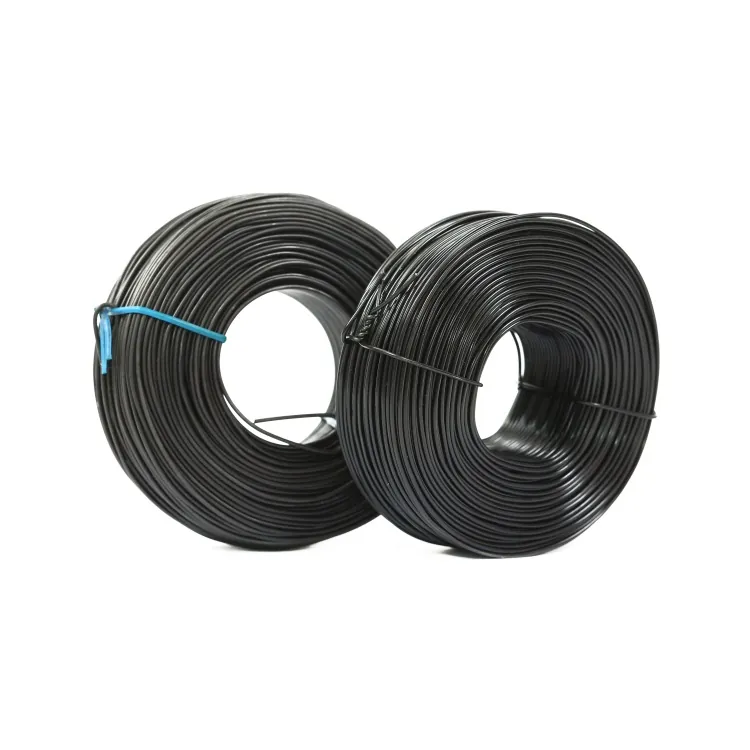
The five defects that matter most
Most tie wire complaints trace back to the same short list. Temper problems make wire snap or refuse to hold a twist. Diameter drift throws off tie machines and hand ties alike. Surface rust and coating flaws signal storage or process trouble. Tangled or poorly wound reels waste labor and frustrate crews. Below is a quick reference before we walk through each one.
| Defect | Likely cause | Check on arrival |
|---|---|---|
| Wrong temper (too hard or too soft) | Under- or over-annealing; wrong steel grade | Hand twist test; bend-and-break count |
| Diameter drift | Worn drawing dies; poor gauge control | Caliper at 5 points per reel |
| Surface rust | Moisture in storage; skipped oil film | Visual scan; wipe test with cloth |
| Coating flaws (galv or PVC) | Bath temperature swings; line speed errors | Bend-adhesion test; coating thickness gauge |
| Tangled or loose reels | Poor spooling tension; damaged carrier | Unspool 2 meters; check winding pattern |
Wrong temper
Temper is the single most common tie wire complaint we hear. Black annealed tie wire should feel soft and dead: it takes a twist and stays put without springing back. When wire is under-annealed it stays springy, fights the tie, and snaps at the twist. When it is over-annealed it goes mushy, stretches, and gives a weak connection that loosens under vibration.
The cause is almost always in the annealing furnace. Too little heat or too fast a line leaves the steel hard. Too much heat weakens grain structure and drops tensile strength below usable levels. A mismatched steel grade, higher carbon than specified, can also refuse to soften properly.
Run the twist test first. Take a length by hand, wrap it around two rebar crossings, and give it the number of turns your crew normally uses. Good soft wire holds three to five twists cleanly before any sign of fracture. If it breaks on the first or second twist, the wire is too hard or too brittle. If it deforms like putty and will not hold tension, it is over-annealed.
Diameter drift
Diameter drift is quiet but costly. A reel labeled 1.57 mm (16 gauge) that actually runs 1.45 mm feels thinner in the hand, breaks more often, and can jam automatic tie tools calibrated for a set thickness. Oversized wire is just as bad: it strains battery tie guns and burns through them faster.
The usual cause is worn drawing dies. As dies wear, the wire creeps off nominal diameter across a production run. Weak in-line gauge control lets that drift ship without anyone catching it. Reels drawn near the end of a die's life are the ones most likely to disappoint.
Check it with a caliper or micrometer, not by feel. Measure at five points along a single reel: both ends and three spots in the middle. Record each reading. A reliable supplier holds diameter within a tight tolerance, often plus or minus 0.02 to 0.04 mm depending on gauge. Wide swings between your five readings tell you the gauge control was loose.
Surface rust
Surface rust on black annealed wire is a storage and handling signal. A light oil film normally protects the wire between the furnace and the customer. When that film is skipped, thin, or washed off by condensation, orange rust blooms across the coils. Light surface bloom often wipes off and does little harm. Deep, flaking rust means pitting has started, and pitted wire breaks where it should twist.
Moisture is the root cause nearly every time. Reels stored on a damp floor, shipped through a humid port, or left uncovered pick up condensation that the oil film cannot resist forever. A furnace line that runs without proper oiling ships wire that rusts within weeks.
Do a visual scan of every pallet, then a wipe test. Run a clean cloth along a suspect coil. If the cloth picks up light brown dust and the wire underneath is bright, that is cosmetic surface bloom, usually acceptable. If the rust is dark, rough, and stays after wiping, cut a sample and try to twist it. Wire that snaps at a rust patch has lost strength and should be flagged.
Coating flaws
Coating flaws apply to galvanized and PVC-coated tie wire, where the coating is the whole point. On galvanized wire, a thin or uneven zinc layer corrodes early and defeats the reason you paid for galv. On PVC-coated wire, poor adhesion lets the plastic crack, peel, or slide, exposing the steel and staining concrete.
The causes sit in the coating line. Zinc bath temperature swings and inconsistent line speed leave patchy galvanizing. For PVC, a poorly prepared steel surface or wrong extrusion temperature stops the plastic from bonding. Both flaws hide well under a quick glance and only show up under stress.
Use a bend-adhesion test. Wrap the coated wire tightly around a mandrel or a piece of rebar, then inspect the outer bend. Good galvanizing stays smooth with no flaking on the tension side. Good PVC bends without cracking or lifting from the steel. If you have a coating thickness gauge, take zinc readings at several points and compare against the spec you ordered. Peeling, cracking, or bare patches at the bend mean the coating will fail in service.
Tangled or loose reels
Tangled reels are not a metallurgy problem, but they cost real labor. A reel that unspools smoothly feeds a tie gun without stopping. A reel wound with uneven tension births loops, birdnests, and overlaps that snag every few ties. Crews lose minutes per reel, and minutes add up across a pour.
Poor spooling tension on the winding line is the usual cause. So is a damaged carrier or spool that lets the wire slip during transit. Reels that arrive crushed or dented almost always feed badly, because the winding geometry is deformed.
Check it before the reel goes to the field. Pull two meters off by hand. The wire should come free in an even, continuous strand with no loops jumping ahead of the pull. Look at the winding pattern: tidy, parallel layers feed well, while crossed and overlapping wraps do not. One tangled reel in a batch is bad luck. Several point to a spooling problem worth raising with your supplier.
How to run an arrival inspection
An arrival inspection does not need a lab. It needs a caliper, a clean cloth, a short length of rebar, and ten minutes per pallet. The goal is to catch defects before the wire reaches a crew, not after they have wasted a shift on it.
Start with a sampling plan. You will not test every reel, so pick a fair sample: pull a few reels from different pallets and different layers, since problems often cluster by production batch. Log the reel numbers you check so you can trace any issue back.
Then run the five checks in order. Do the visual scan and wipe test first, because rust and damage are obvious. Caliper the diameter next at five points. Run the twist test for temper on a couple of reels. For coated wire, add the bend-adhesion test. Finish by unspooling two meters to confirm the reel feeds clean. Record pass or fail for each. A handful of readings across a shipment tells you far more than a glance at the top layer.
If a sample fails, widen the check. One soft reel might be an outlier. Three soft reels from the same batch number is a systemic problem, and that is exactly the evidence a good supplier needs to make it right. Photograph the defect, note the reel and batch numbers, and send it back through your purchasing contact.
Working with your supplier before shipment
The best inspection happens before the wire ships. A manufacturer who tests at the line catches temper and diameter problems while the reel is still in the plant, not at your dock. Ask your supplier what they measure and how often. Diameter tolerance, twist count, and coating thickness should all have documented targets.
When we quote a job at Leeter, we agree the spec in writing first: gauge, temper, coating, reel weight, and winding. That way an arrival inspection confirms a known target instead of arguing about an assumed one. If you are sourcing tie wire and want that clarity up front, request a quote and we will put the specification in writing before anything is drawn.
Honest note from the plant floor: no supplier ships a perfect reel every single time. What separates a good partner from a bad one is whether defects are rare, traceable, and fixed. A supplier who welcomes your caliper is a supplier who trusts their own line.
Frequently asked questions
How do I test tie wire temper without lab equipment?
Use a hand twist test. Wrap a length around two rebar crossings and apply the number of twists your crew normally uses. Soft, correctly annealed wire holds three to five twists cleanly before fracture. Wire that snaps on the first twist is too hard; wire that stretches like putty is over-annealed.
What diameter tolerance should I expect for tie wire?
A well-controlled line typically holds diameter within roughly plus or minus 0.02 to 0.04 mm of nominal, depending on gauge. Measure with a caliper at five points along a reel: both ends and three middle spots. Wide swings between readings signal worn drawing dies or loose gauge control during production.
Is surface rust on black annealed tie wire a reason to reject a shipment?
Not always. Light surface bloom that wipes off a clean cloth, leaving bright wire underneath, is usually cosmetic and does not affect performance. Reject wire only when rust is dark, rough, and pitted, or when a rusted sample snaps at the pit during a twist test. Pitting means lost strength.
How do I check galvanized or PVC coating quality on site?
Run a bend-adhesion test. Wrap the coated wire tightly around a mandrel or rebar and inspect the tension side of the bend. Good galvanizing stays smooth with no flaking; good PVC bends without cracking or peeling. Bare patches, flaking, or lifted plastic at the bend mean the coating will fail early.
How many reels should I inspect in a shipment?
Sample across pallets and layers rather than testing everything. Pull several reels from different pallets and different heights in the stack, since defects often cluster by production batch. Log the reel numbers you check. If a sample fails, widen the inspection to trace whether the problem is a single outlier or a batch-wide issue.
Order tie wire with the spec in writing
Good tie wire quality is boring in the best way: reels feed clean, twists hold, and crews never think about the wire. That outcome starts with a clear specification and a supplier who tests before shipping. Run the five checks on your next delivery, keep a short log, and you will spot trouble long before it reaches a pour. If you want tie wire drawn to an agreed gauge, temper, and coating, with the tolerance written down before production, request a quote and we will get you a specification you can inspect against.
