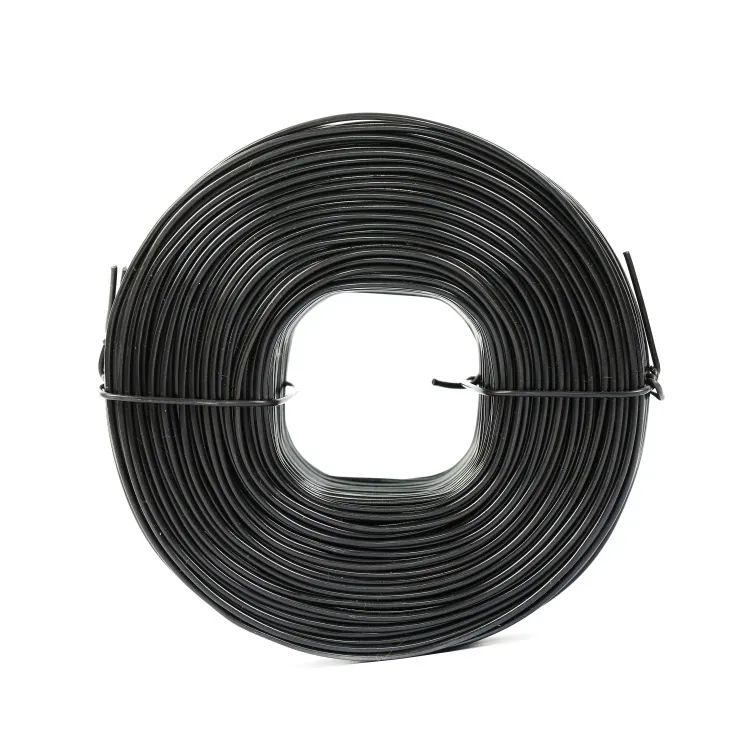
At Hebei Leeter Import and Export Co., Ltd, we have been producing and exporting rebar tie wire and related mesh products from Dingzhou, Hebei since 2006, shipping mainly to North America and Europe. Over those years we have opened returned containers, walked distributor warehouses, and traced more than a few rust complaints back to storage rather than the wire itself. This guide shares what actually protects wire in a real supply chain.
Why tie wire rusts in the first place
Rust is iron reacting with oxygen in the presence of water. Tie wire is drawn from low-carbon steel, so the base metal wants to corrode the moment moisture and air meet a bare surface. You cannot remove oxygen from a warehouse, which means moisture control is the lever you actually pull. Everything below is really about keeping water, whether liquid, condensation, or humid air, away from the steel.
Three things speed the reaction. First, free water sitting on the coil from rain, a leaking roof, or a wet floor. Second, high relative humidity, which lets a thin invisible water film form on the metal even with no visible drips. Third, temperature swings, which cause warm humid air to condense on cooler steel, the same way a cold drink sweats on a summer day. A sealed container that heats up at a port and cools at sea is a classic condensation trap.
Bare dry annealed wire has no barrier, so it depends entirely on packaging and environment. Oiled black annealed wire carries a light protective film that repels water. Galvanized wire has a zinc coating that corrodes sacrificially before the steel does. Choosing the right product for your climate is part of storage strategy, not separate from it.
What are the ideal storage conditions for tie wire?
The ideal is a dry, covered, well-ventilated space where wire sits on pallets or racks, not on a concrete floor, with relative humidity kept moderate and stable. Concrete wicks moisture from the ground, so a coil resting directly on a slab draws water into its bottom wraps even when the roof is sound. Airflow matters too, because stagnant pockets of humid air linger around tightly stacked coils.
Keep wire indoors whenever possible. If outdoor or yard storage is unavoidable, keep coils on raised dunnage and under a waterproof cover that still allows air to move underneath, never a tarp sealed tight to the ground that traps condensation like a greenhouse. Aim to store wire away from doorways, wash bays, and any area where forklifts track in slush or rain. A stable indoor temperature beats a warm space that swings hot and cold across day and night.
Separate wire from aggressive chemicals as well. De-icing salt, fertilizer, pool chemicals, and open acids all accelerate corrosion or release corrosive vapors. We have seen galvanized coils develop white powder simply from sharing a shed with bagged road salt.
Managing humidity and temperature
Relative humidity is the quiet driver behind most warehouse rust. When damp air is unavoidable, closing the building at night, running a dehumidifier in a sealed room, or placing desiccant near the stock all help. The goal is to prevent the wire surface from reaching the dew point, the temperature at which water condenses out of the air.
Avoid bringing cold coils into a warm humid room and unwrapping them immediately. The cold steel will sweat. Let sealed packages equalize to room temperature before opening them, particularly after a coil has traveled through a cold ocean leg into a warm receiving dock. This single habit prevents a surprising amount of surface bloom on otherwise sound wire.
How does packaging protect tie wire from rust?
Packaging is the first and most reliable barrier, because it travels with the product wherever storage falls short. Good tie wire packaging combines an inner moisture barrier, a physical outer layer, and desiccant to absorb trapped humidity inside the sealed volume. When all three work together, a coil can survive weeks of transit and imperfect warehousing without losing its finish.
Our standard export packing wraps each coil or spool in plastic film, then bundles coils onto pallets that are stretch-wrapped and strapped. For sensitive shipments we add VCI, volatile corrosion inhibitor, either as a treated film or paper. VCI releases a harmless vapor that settles on steel surfaces and slows the corrosion reaction inside the sealed package, protecting recesses that a liquid coating might miss.
The practical rule for your warehouse: leave wire in its original wrap until the day it goes to the job. Every time you cut open packaging early, you trade away transit-grade protection for warehouse air. If you must open a bundle to pull a few coils, reseal the remainder or move it to the front of your rotation so it ships before moisture has time to work.
The role of desiccant and VCI
Desiccant packs absorb the moisture already trapped inside a sealed bag at the moment it was closed, plus whatever seeps in slowly. They are cheap insurance for ocean freight, where a container can act like a sweat lodge. Keep the desiccant inside the sealed barrier and do not puncture the bag, or the whole system loses its seal.
VCI and desiccant do different jobs and work well together. Desiccant lowers humidity inside the package; VCI chemically discourages rust on the steel itself. Neither replaces dry storage once the package is opened. Think of them as protection for the journey and the shelf, handing off to your warehouse discipline the moment the wrap comes off.
Protecting tie wire during ocean transit
Ocean shipping is the harshest stretch of a wire coil's life, so it deserves dedicated attention. A steel container crossing multiple climate zones heats and cools repeatedly, and each cycle can drive condensation onto whatever surfaces are coolest, often the cargo itself. This is why wire that left a dry factory can arrive spotted if packing was careless.
We manage container sweat with layered defense: sealed VCI film around coils, desiccant sized to the container volume, moisture-barrier liners on the container floor, and careful load planning that keeps wire off bare steel decking. Container desiccant hung along the walls pulls humidity out of the air space during the voyage. None of these steps is exotic, but skipping any one of them is where problems start.
On arrival, inspect and stage smartly. Do not tear open every package the moment the doors swing wide on a humid dock. Move pallets into covered dry storage, let them reach ambient temperature, then open only what you will use. If you buy galvanized tie wire for coastal or high-humidity projects, you gain an extra margin because the zinc coating tolerates the occasional lapse far better than bare wire.
Storage risks and best practices at a glance
The table below maps common storage conditions to the risk they create and the practice that neutralizes it. Use it as a quick audit of your own warehouse or yard.
| Condition | Risk it creates | Recommended practice |
|---|---|---|
| Coils on bare concrete floor | Moisture wicks up into bottom wraps | Store on pallets, racks, or dunnage |
| Packaging opened early | Loss of transit-grade barrier and desiccant | Keep original wrap until point of use |
| High or swinging humidity | Condensation film forms on steel | Ventilate, dehumidify, stabilize temperature |
| Sealed container during ocean transit | Container sweat drips onto cargo | VCI film, desiccant, floor liners, load planning |
| Cold coils opened in warm room | Surface condensation, or sweating | Let packages equalize before unwrapping |
| Stored near salt or chemicals | Accelerated corrosion from vapors | Isolate wire from corrosive materials |
| Oldest stock buried at the back | Long-stored wire degrades before use | First in, first out rotation |
Why does stock rotation matter for tie wire?
Stock rotation matters because even well-packed wire has a practical shelf window, and the oldest coils carry the most accumulated risk. A first in, first out system ensures that the material with the longest exposure ships first, before minor surface changes become a rejection on site. Without rotation, a warehouse quietly ages its own inventory into complaints.
Label incoming pallets with a received date and store them so the oldest is easiest to reach. This sounds obvious, yet buried old stock is one of the most common causes of rust claims we investigate. A coil is not defective because it sat too long behind newer arrivals; it simply outlasted its protection while newer wire shipped ahead of it.
Rotation also gives you a feedback loop. When you consistently ship oldest first and still see surface issues, that points to a storage or packaging gap worth fixing rather than a manufacturing fault. Pairing rotation with periodic spot checks, opening one package from an older lot to confirm condition, catches problems while you still have options.
Choosing wire that forgives imperfect storage
No warehouse is perfect, so the product itself should carry some of the load. Oiled black annealed wire resists rust longer than dry annealed wire because its light film repels water, which suits humid climates and longer storage windows. Galvanized wire goes further, using a zinc layer that corrodes before the steel, making it the sensible choice for coastal air, long lead times, or outdoor staging.
Match the wire to your reality. If your stock turns quickly and lives in a dry climate-controlled warehouse, dry annealed wire stored well will serve you fine. If coils sit for months, travel through humid ports, or wait outdoors, step up to oiled or galvanized and pack with VCI and desiccant. The right specification is a storage decision made before the wire ever ships.
We are happy to help you weigh these tradeoffs for your climate, lead times, and application. To discuss specifications or packing for your next order, request a quote and our team will follow up with options built around how your material will actually be stored and shipped.
Frequently asked questions
How long can tie wire be stored before it rusts?
There is no fixed shelf life, because it depends on packaging, wire type, and environment. Well-packed oiled or galvanized wire kept dry and sealed can hold up for many months, while bare dry wire in a humid open shed may spot within weeks. Control moisture and rotate stock, and time becomes far less of a concern.
Does a little surface rust ruin tie wire?
Light surface bloom on bare wire is often cosmetic and does not necessarily affect tying performance, but heavy or flaking rust weakens the wire and can stain concrete. Buyers frequently reject visibly rusted coils on sight, so it is a commercial problem even when the steel is still functional. Prevention is cheaper than sorting rusted coils.
Is galvanized tie wire worth the extra cost for storage?
For humid, coastal, or long-lead-time situations, usually yes. The zinc coating on galvanized wire corrodes sacrificially and tolerates storage lapses that would spot bare wire. If your material moves fast through a dry warehouse, standard or oiled wire stored properly may be more cost-effective. Match the wire to your storage reality.
What causes rust inside a shipping container even when it stayed sealed?
Container sweat. As the sealed steel box moves through changing climates, warm humid air inside condenses on cooler surfaces, including the cargo. That is why VCI film, container desiccant, and floor liners matter even when no rain ever touched the load. A sealed container is not automatically a dry one.
Should I open tie wire packaging as soon as it arrives?
No. Move the pallets into dry covered storage and let sealed packages reach ambient temperature first, especially after a cold ocean leg into a warm dock. Opening cold coils in warm humid air invites condensation. Unwrap only what you plan to use, and keep the rest sealed with its desiccant intact.
Ready to specify tie wire and packing that survive your storage and shipping conditions? Request a quote and we will recommend the wire type, coating, and protective packaging suited to your climate and lead times.
